
California Endangered Species Act (CESA): What It Is & Why it Matters
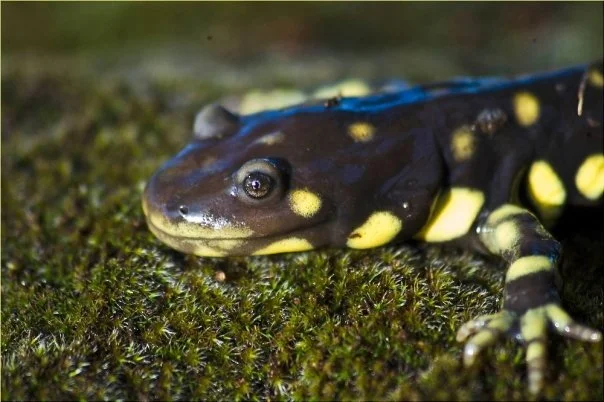
The California Endangered Species Act (CESA) is a California environmental law that conserves and protects plant and animal species at risk of extinction.
History of the California Endangered Species Act (CESA)
In 1970, California became the first state in the U.S. to implement an act that conserves and protects endangered species and their environments. In fact, CESA even preceded the federal Endangered Species Act, which was mandated in 1973.
CESA was enacted in response to mounting concern about the decline of wildlife species in California. After its enactment in 1970, CESA was repealed and replaced by an updated version in 1984, and amended in 1997.
About the California Endangered Species Act (CESA)
The California Endangered Species Act (CESA) declares that "all native species of fishes, amphibians, reptiles, birds, mammals, and plants, and their habitats, threatened with extinction and those experiencing a significant decline which, if not halted, would lead to a threatened or endangered designation, will be protected or preserved."
In its current form, plant and animal species may be designated threatened or endangered under CESA after a formal listing process by the California Fish and Game Commission.
Approximately 250 species of plants and animals are currently listed under CESA.
Threatened or Endangered Animal Species List (PDF)
Threatened or Endangered Plant Species List (PDF)
A CESA-listed species, or any part or product of the plant or animal, may not be imported into the state, exported out of the state, “taken” (i.e., killed), possessed, purchased, or sold without proper authorization.
The legislation also allows the State to acquire land on which to protect, enhance, and restore habitat for such plants and animals.
In California the Department of Fish and Wildlife oversees CESA and makes sure that citizens are following laws/regulations that are in place. The California Department of Fish and Wildlife (CDFW) works with agencies, organizations, and other interested persons to study, protect, and preserve CESA-listed species and their habitats.
Why the California Endangered Species Act (CESA) Matters
1. It protects species and their environments.
Implementation of CESA has reduced and avoided impacts to California’s most imperiled plants and animals, has protected hundreds of thousands of acres of vital habitat, and has led to a greater scientific understanding of California’s incredible biodiversity.
In a success story, the California red-legged frog, listed as threatened under the federal Endangered Species Act, is thriving again in the Yosemite Valley after a 50-year absence. Reintroduced in 2017, the frogs were documented by scientists to be breeding in 2019.
2. Violations can cost you.
The Department of Fish and Wildlife issues citations to violators, fines of up to $50,000 and/or one year imprisonment for crimes involving endangered species, and fines of up to $25,000 and/or six months imprisonment for crimes involving threatened species.
3. It protects all of us.
The Endangered Species Act provides added benefits to people by maintaining healthy natural systems that provide us with clean air and water, food, medicines and other products that we all need to live healthy lives.
Live Oak Associates provides a comprehensive range of biological consulting services to organizations throughout California. Partner with us to discover how our team can help you with your next project.
Recent Articles


Meet Bethany Woo, an Assistant Project Manager & Wetland Ecologist here at Live Oak Associates.